Sponsored article
Which materials are best suited for the production of anti-slip mats?
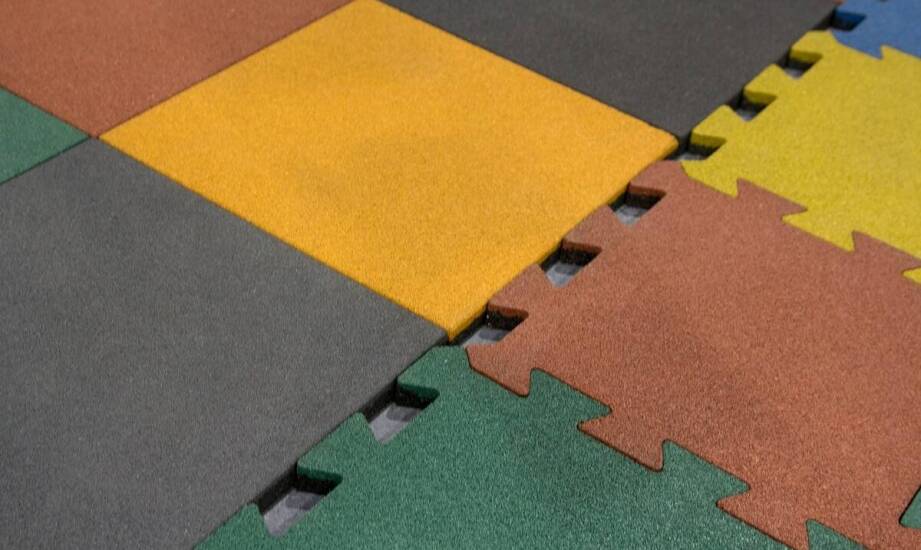
You need solutions that genuinely enhance safety at entrances and in corridors while maintaining high durability during daily use. To achieve this, it is crucial to understand which materials should be used for anti-slip mats and why some perform better in practice than others. The properties of the raw materials determine the grip, stability, and resistance to loads, so a conscious choice of material is the first step in designing an effective slip protection system.
Read more: Entrance Mats for Buildings – What Materials Ensure Aesthetics and Durability?
What materials provide the highest level of anti-slip protection?
The choice of materials determines the effectiveness, durability, and safety that customizable entrance mats offer, which is why the foundation of designing modern protective systems is raw materials with high mechanical resistance and stable grip. Synthetic rubber, including EPDM and NBR compounds, helps maintain flexibility in varying weather conditions, which is crucial to reducing the risk of slipping on wet surfaces. Polypropylene fibers used in interior mats fulfill a cleaning and absorbent function while increasing stability when walking.
Why are the materials used by Unimat Factory effective?
The effectiveness of anti-slip mats depends on how specific materials perform under intense use, moisture, and varying loads. Unimat Factory uses high-quality elastomers, polypropylene fibers, and open-structure constructions, which enable efficient water drainage. As a result, the mat surface remains stable even in high humidity conditions, and the risk of slipping is realistically reduced. Aluminum used as a structural material in advanced systems affects construction rigidity, while also allowing for the integration of brush and rubber inserts, improving both grip and the ability to remove dirt from shoes.
When and under what conditions do individual materials perform best?
Usage conditions directly dictate which materials the mats should be made of to maintain full functionality. In areas subject to heavy pedestrian traffic, mats combining aluminum with cleaning fibers are most effective, as they provide stability and long life. In rooms where moisture absorption is a priority, polypropylene dominates, creating absorbent, grooved surfaces. Meanwhile, in industrial and outdoor settings, elastomers resistant to oils, water, and temperature fluctuations are key, ensuring grip in conditions where traditional materials might lose their properties.
Key conclusions on the selection of materials for anti-slip mats
The selection of materials determines the effectiveness, durability, and safety of anti-slip mats. Synthetic rubber and polymers ensure the grip and stability of the working surface. Polypropylene fulfills a cleaning and absorbent role, supporting dryness and cleanliness. Aluminum constructions provide stiffness and the ability to integrate cleaning inserts. The open structure of materials allows for effective water drainage and slip risk reduction. The choice of raw material should always be based on usage conditions and traffic intensity.
You might be interested
What are pork inner cheeks used for in gastronomy?

POS Displays – How They Influence Consumer Purchase Decisions at the Point of Sale
Entrance Mats for Buildings – What Materials Ensure Aesthetics and Durability?