Sponsored article
The impact of the liturgical season on the choice of chasuble colors
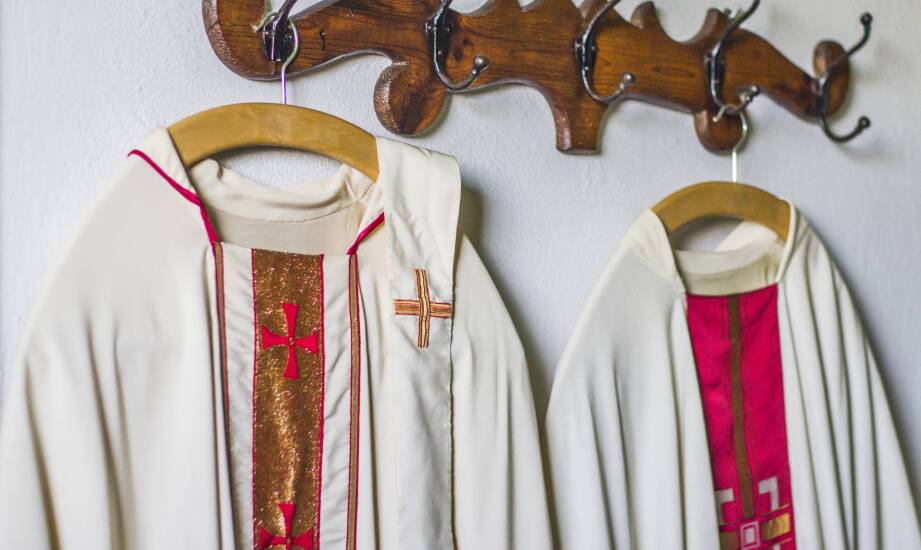
The selection of chasuble colors is not a random or solely aesthetic decision. It is one of the key elements of the liturgical order that influences how the faithful perceive and interpret the celebration. Color becomes a tool of communication through which the liturgy from the very first moment conveys its character and emphasizes the themes appropriate to the given season.
How does the liturgical season influence the choice of chasuble colors?
The liturgical year creates an organized structure in which each period has a specific spiritual character, and the selection of garment colors corresponds to what the Church celebrates at that time. That is why religious vestments are not merely an aesthetic element, but an essential tool of symbolic communication that visually defines the atmosphere of the celebration. Color serves an informative function: it indicates when the community enters a time of hope, penance, joy, or martyrdom, allowing the faithful to better understand what spiritual event is currently being experienced.
Why does color determine the choice of chasuble for priests?
Color constitutes the first interpretative layer of the liturgy before any word of prayer is spoken. In parish practice, this means that chasuble for sale must correspond to the contents of the given liturgical period, to maintain consistency between symbolism and the message of the celebration. Purple indicates penance and preparation, green expresses daily spiritual growth, white accompanies joyful celebrations, and red highlights martyrdom and the action of the Holy Spirit. The choice of color is not a matter of randomness—it's a decision rooted in Church tradition, serving a pedagogical and theological function.
How does the correct choice of color enhance the liturgical message?
The application of the proper chasuble color enhances the reception of the liturgy because it creates a visual framework for the entire event. If the color corresponds to the liturgical season, the faithful receive clear information about the theme and spiritual mood of the celebration. This makes the liturgy more understandable and its meaning more deeply felt. An incorrect color can disrupt the message, introduce unintended associations, and weaken the connection between the content of prayers and the symbolic layer. Conscious choice of chasuble colors is therefore one of the key elements in ensuring the quality of the liturgical experience in every community.
Key conclusions regarding the impact of the liturgical season on the choice of chasuble colors
The liturgical season sets the framework for selecting the colors of vestments used during celebrations. Each period of the liturgical year has its own symbolism that determines the color of the vestments used. Color serves an informative function and guides the faithful into the appropriate spiritual mood. The choice of the right color affects the coherence between the content of prayers and the visual side of the liturgy. Purple accompanies times of penance and preparation, green denotes daily faithfulness, white highlights the joy of celebrations, and red accentuates themes of martyrdom and the action of the Holy Spirit.
You might be interested
What are pork inner cheeks used for in gastronomy?

POS Displays – How They Influence Consumer Purchase Decisions at the Point of Sale

Which materials are best suited for the production of anti-slip mats?