Sponsored article
How to Choose a Hand-Decorated Ceramic Vase for a Bouquet and Interior
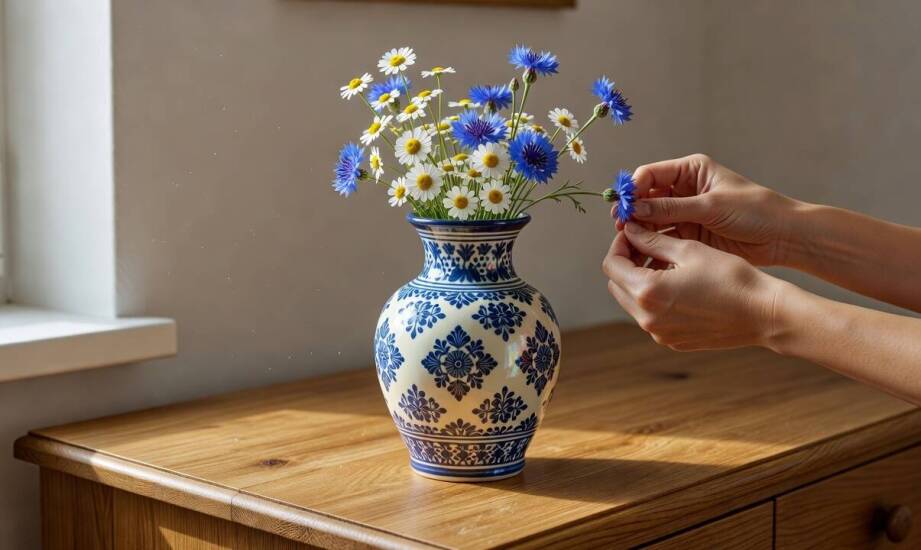
Choosing the right vase can make a significant difference to the appearance of a floral arrangement. A vessel that is too small, too tall or too wide can disrupt the proportions of the bouquet, while a well-matched shape helps support the stems and display the flowers naturally.
Read more: Ceramic mugs and their resistance to high temperatures
Traditional stoneware works particularly well in this role because its weight, shape and variety of forms make it suitable for both fresh flowers and dried arrangements. A well-designed vase can provide reliable support for the bouquet while also functioning as a decorative object in its own right.
How Do Vase Height and Opening Width Affect a Bouquet?
The proportions of the vase should work together with the height and shape of the flowers. As a general guideline, the vase often occupies roughly one-third to one-half of the overall height of the arrangement, although the ideal proportion depends on the type of flowers and the effect you want to achieve.
A vase that is too low may provide insufficient support for long stems, while a very tall vessel can hide too much of the greenery and make the arrangement appear visually heavy.
For larger flowers such as hydrangeas, peonies or sunflowers, a substantial vase can help create a balanced composition and provide additional support.
The width of the opening also affects how the stems are arranged. A narrow neck keeps flowers closer together and encourages a more upright composition. This can work particularly well for individual long stems, lilies, gladioli or tall roses.
A wider opening gives the stems more room to spread, making it easier to create looser and more natural-looking arrangements. With very wide vessels or highly asymmetrical branches, additional floristry tools such as a flower frog or supporting grid can also be useful.
The construction of the vase matters as well. A heavier vessel with a stable base can help support larger arrangements and reduce the risk of accidental tipping, although particularly tall or unbalanced bouquets still require careful positioning.
How Should a Ceramic Vase Be Matched to Furniture?
The size of the vase should suit not only the flowers but also the surface on which it will be displayed.
A small or medium-sized form usually works better on a narrow windowsill or compact side table, where an oversized vase could dominate the available space. A larger sideboard, dining table or kitchen island can accommodate a more substantial vessel.
On a larger piece of furniture, a ceramic vase can become a natural focal point and help visually organise an otherwise empty surface.
Pattern and colour are equally important. Traditional Bolesławiec designs can create a distinctive contrast in calm, minimalist interiors. Cobalt details, floral motifs and hand-stamped ornamentation naturally attract attention.
If the flowers are intended to remain the main feature, a ceramic vase with a more restrained pattern can provide a quieter background. A strongly decorated vase, on the other hand, can function as an interior accent even when it is empty.
How to Care for a Ceramic Vase
Regular cleaning helps keep a ceramic vase looking good and prevents mineral deposits and flower residue from accumulating inside it.
After removing old flowers, empty the water and rinse the vessel thoroughly. Warm water and a mild cleaning product are usually sufficient for routine care. Narrow-necked vases can be easier to clean with a bottle brush that reaches the bottom and internal walls.
Glazed stoneware has a smooth surface that is easy to maintain and helps prevent residue and odours from penetrating the ceramic body.
The ceramic vases offered by Manufaktura are dishwasher-safe, which can make regular cleaning even easier. For particularly narrow forms, however, manual cleaning may still be more convenient.
It is also worth changing flower water regularly rather than leaving it in the vase for long periods. This helps reduce unpleasant odours, residue and discolouration inside the vessel.
What Should You Consider When Choosing a Vase?
When choosing a ceramic vase, three factors are particularly important:
its proportions in relation to the flowers,
the stability of the vessel,
its appearance within the surrounding interior.
The height and opening should suit the type of arrangement you plan to create, while the shape and weight of the base should provide sufficient stability.
Colour and decoration should also complement the room. A strongly patterned, hand-decorated vase can become one of the main decorative elements of a space, while a quieter design allows the bouquet to attract more attention.
Matching a Vase to the Style of the Interior
A ceramic vase does not need to match every element in the room exactly. In many interiors, contrast can create a much more interesting effect.
Traditional Bolesławiec patterns can introduce colour and handcrafted character into contemporary interiors with simple furniture and neutral walls. In rustic or classic spaces, the same decorative language can reinforce an existing sense of warmth and tradition.
A vase can also visually connect different parts of a room. Similar colours or motifs repeated on tableware, bowls or other ceramic accessories create subtle continuity without requiring every object to belong to an identical set.
This is particularly easy to achieve with Manufaktura in Bolesławiec, where characteristic stamped patterns appear across different ceramic forms and collections.
Match the Vase to the Flowers, Not Just the Room
Interior style is important, but the bouquet itself should remain one of the main considerations.
Tall flowers with long stems usually benefit from a higher vase that provides sufficient support. Shorter, fuller bouquets can work better in wider forms, while single stems or minimalist arrangements are often particularly effective in narrow-necked vessels.
The visual weight of the flowers also matters. Large blooms can balance a substantial ceramic form, whereas delicate flowers may look more natural in a smaller vessel with a less dominant decoration.
The aim is not to follow one rigid formula, but to create a relationship between the flowers, the vase and the surrounding space.
A well-chosen ceramic vase supports the arrangement, complements the interior and remains decorative even after the flowers have been removed. Combining practical proportions, a stable form and hand-applied decoration allows the vase to become both a functional vessel and a lasting element of the home.
You might be interested

What are pork inner cheeks used for in gastronomy?

How to Match Sheet Metal Surface Finishing to the Material and Required Finish

What are White Label Supplements?